
The New HD59 Gimbals: Designed Around Your Mission. Priced for Your Program.
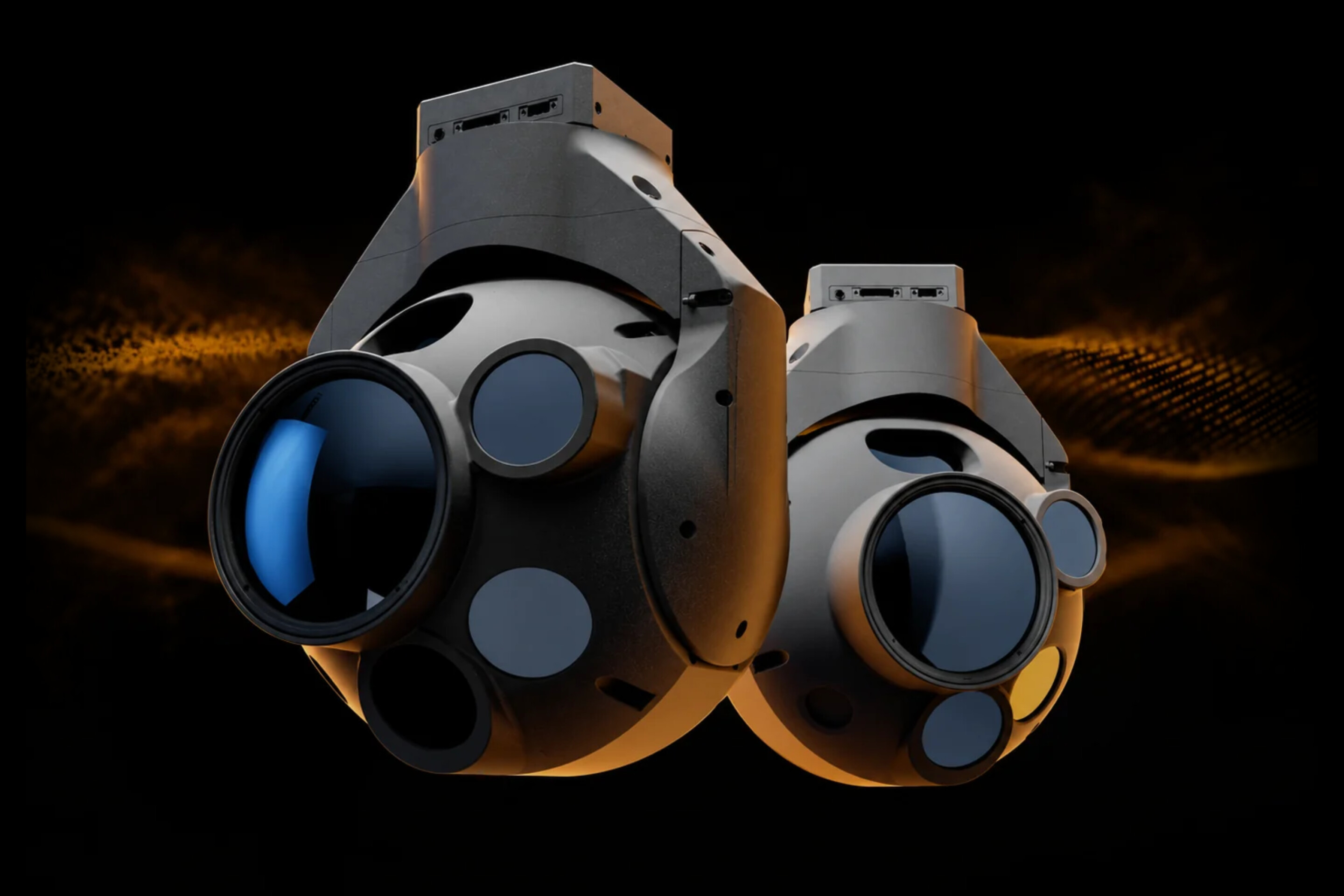
How customer requirements shaped our latest cost-efficient HD59 configurations.
Choosing an imaging payload means balancing what operators need to see with what the aircraft can carry, what engineers can integrate, and what the program can afford. A sensor must fit all those requirements to become a practical option.
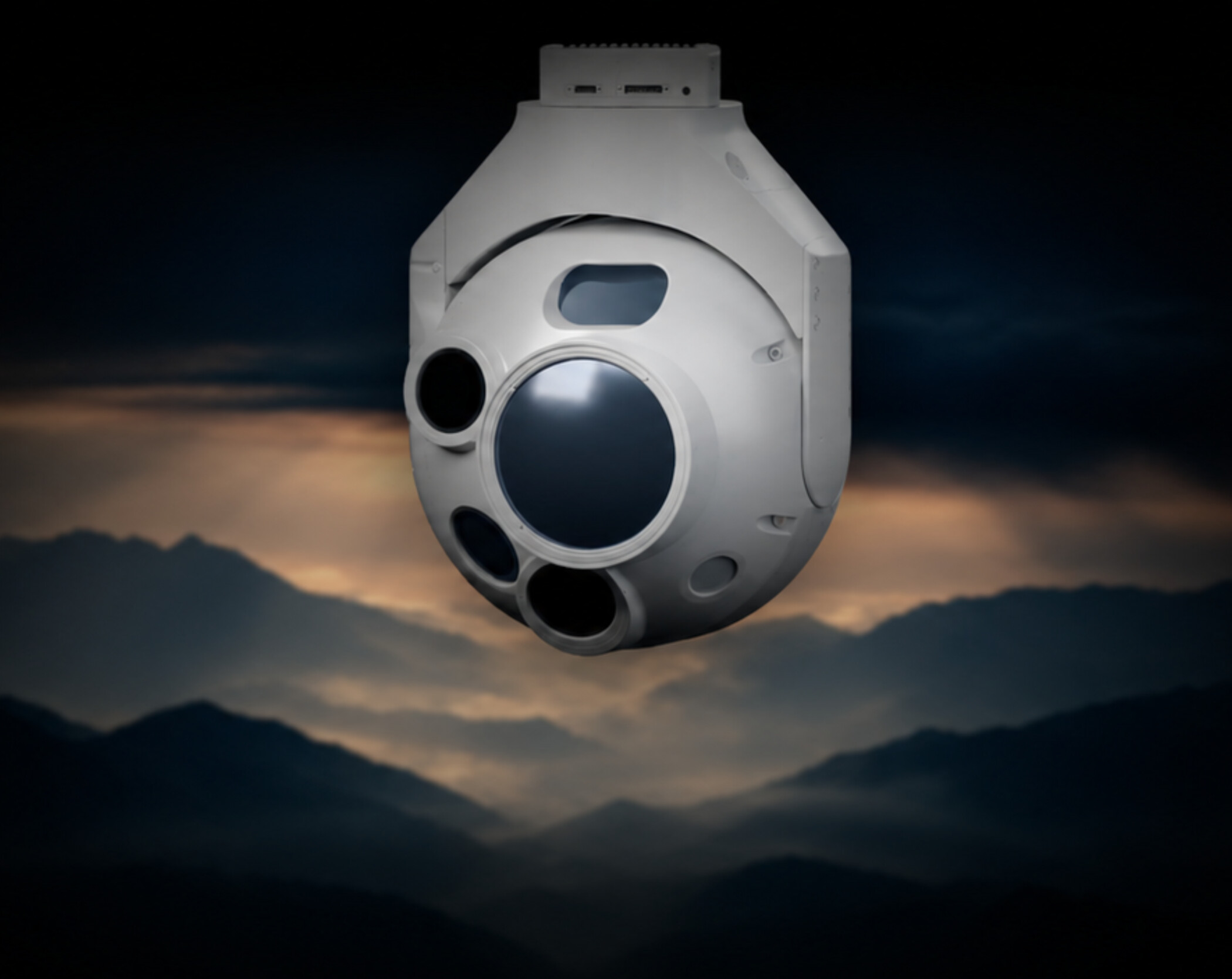
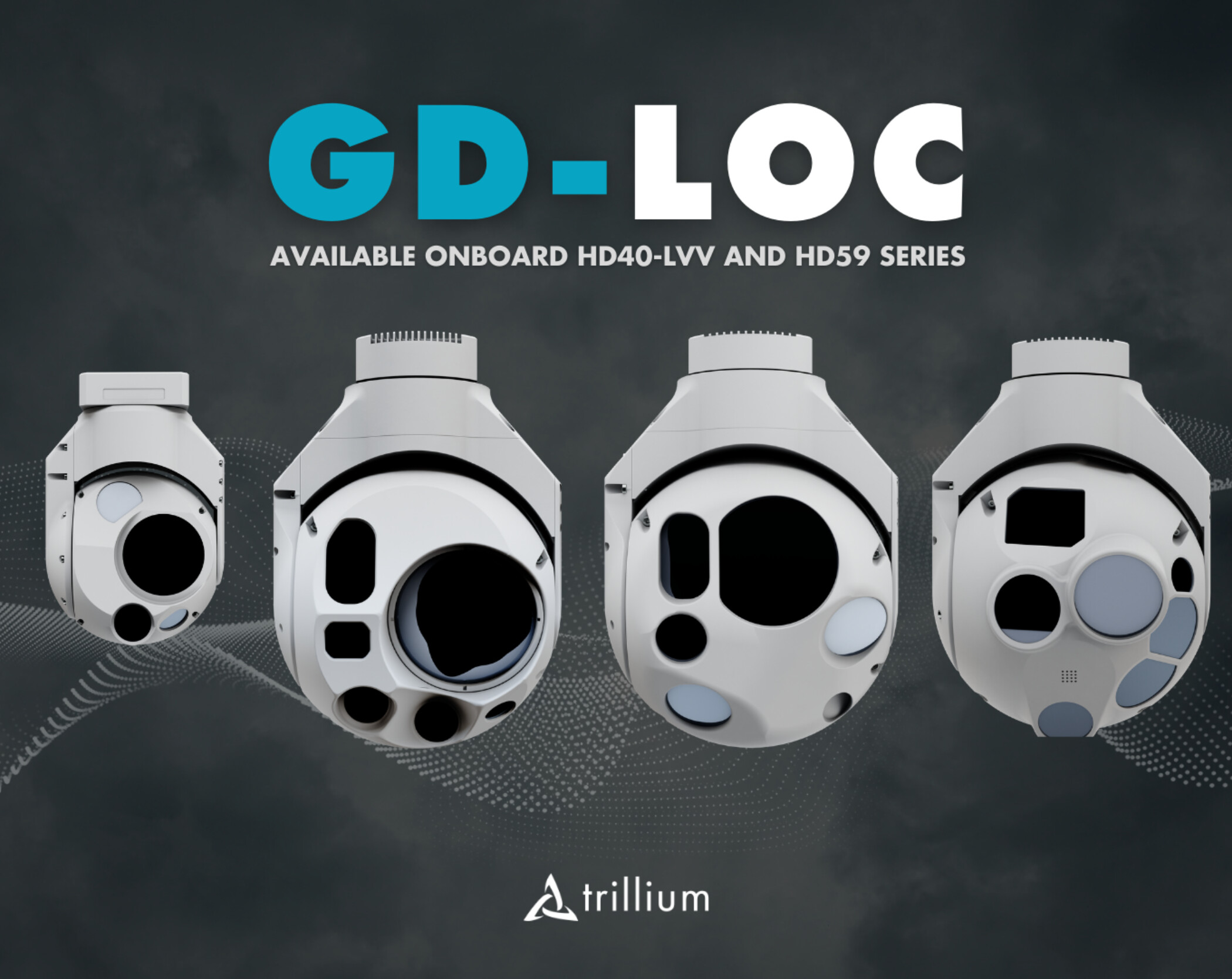
Those priorities guided the development of our new HD59-MVV-C and HD59-MLVV-C gimbals. We heard what customers needed: improved long-range identification performance, MWIR imaging at a lower acquisition cost, and integrated laser ranging and pointing. We responded with two configurations that bring those priorities together within the established HD59 architecture.
Cost Is Part of the Mission Requirement
Acquisition cost influences which capabilities a program can field. That's why our new HD59 configurations deliver over 30 percent improvement in system cost over traditional gimbaled MWIR solutions. This gives manufacturers and integrators better options when evaluating payloads against both technical requirements and available funding.
With this launch, our development priorities extended beyond price as well. Improved optics and integrated laser capabilities deliver a payload that meets operational needs while making financial sense for the program.
Two Configurations Built Around Your Needs
Different programs call for different imaging options. We developed two configurations so customers can choose the sensor combination their operators need, with laser ranging and pointing included in both.
The HD59-MVV-C combines MWIR and dual visible imaging. The HD59-MLVV-C adds LWIR for programs requiring an additional thermal channel. Both bring those capabilities together in a compact payload, giving teams a practical choice within the HD59 lineup.
Designed for Reconnaissance
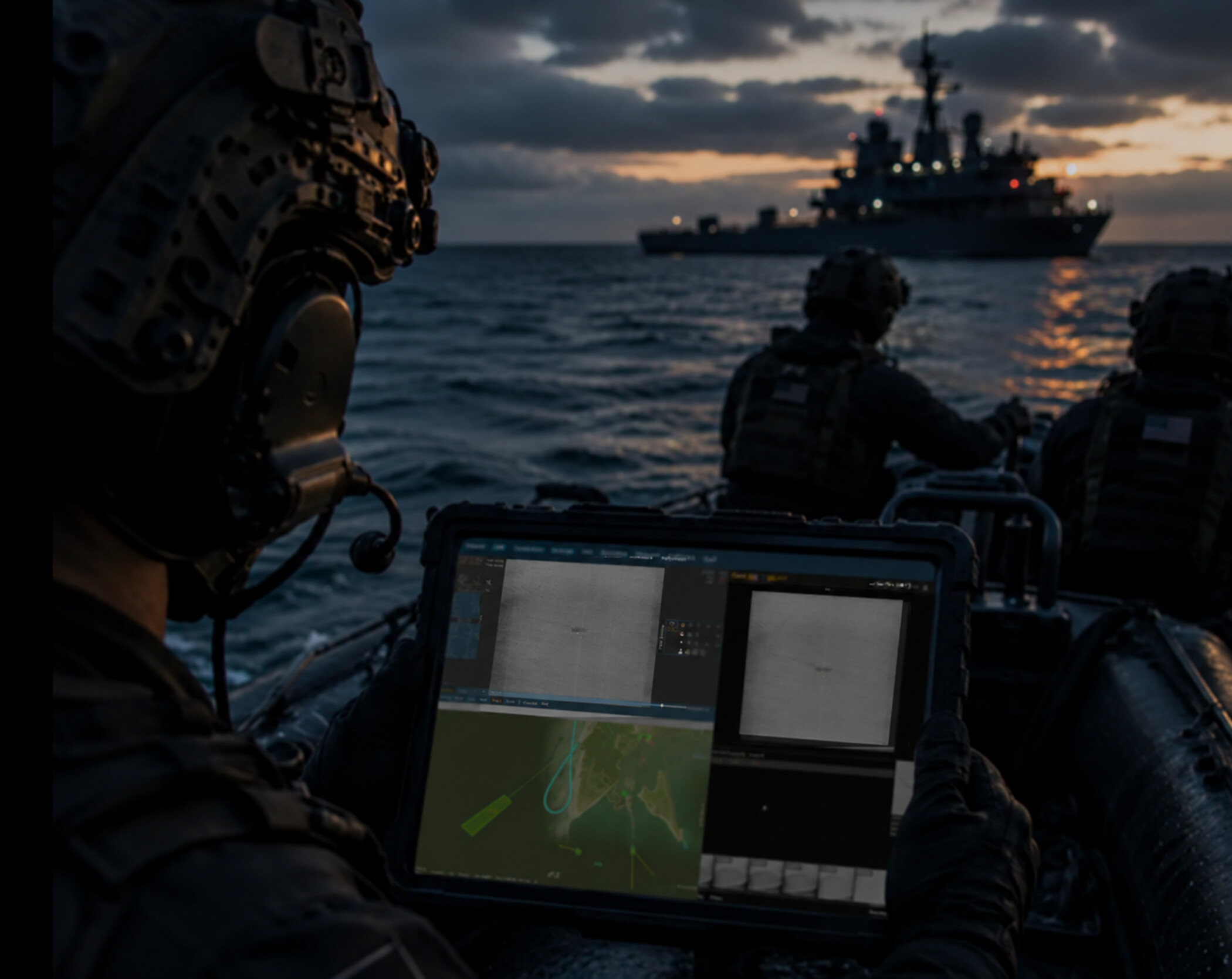
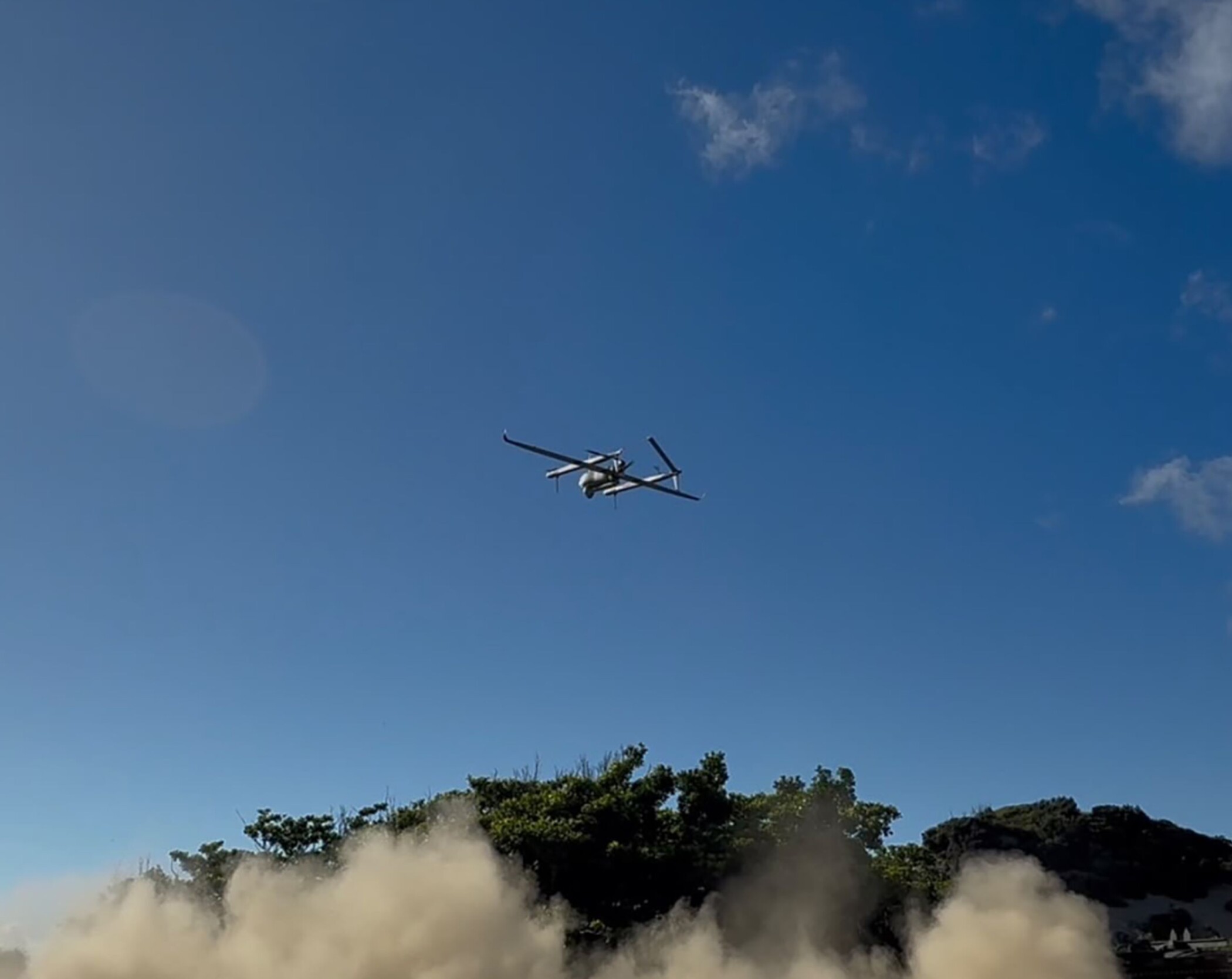
Developed around Long-Range Reconnaissance (LRR) requirements, the new configurations help operators examine areas of interest, monitor activity, and follow targets. Stabilized imagery and onboard tracking help maintain observation as the aircraft moves, while geolocation and laser ranging help establish where objects are and distance from the platform.
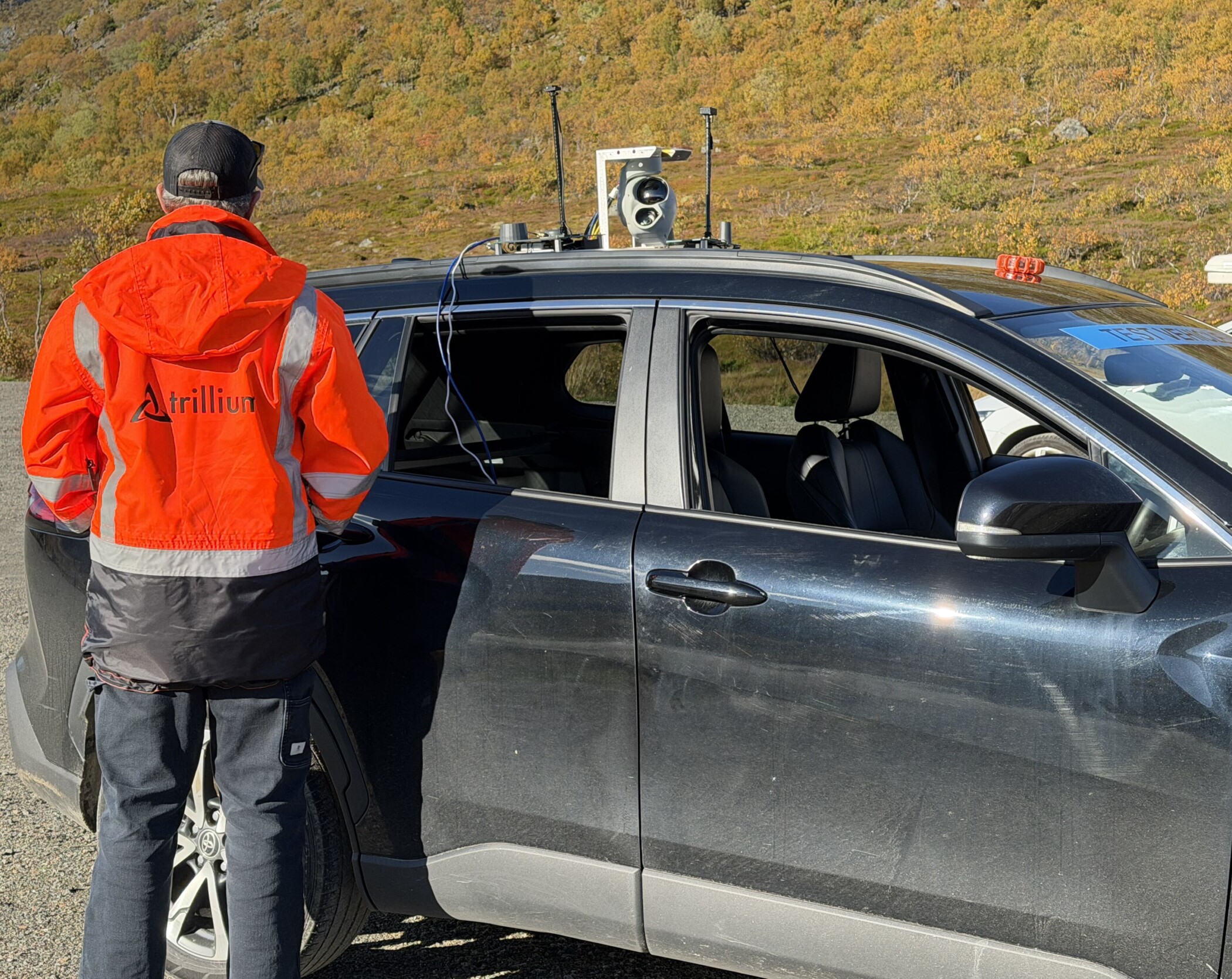
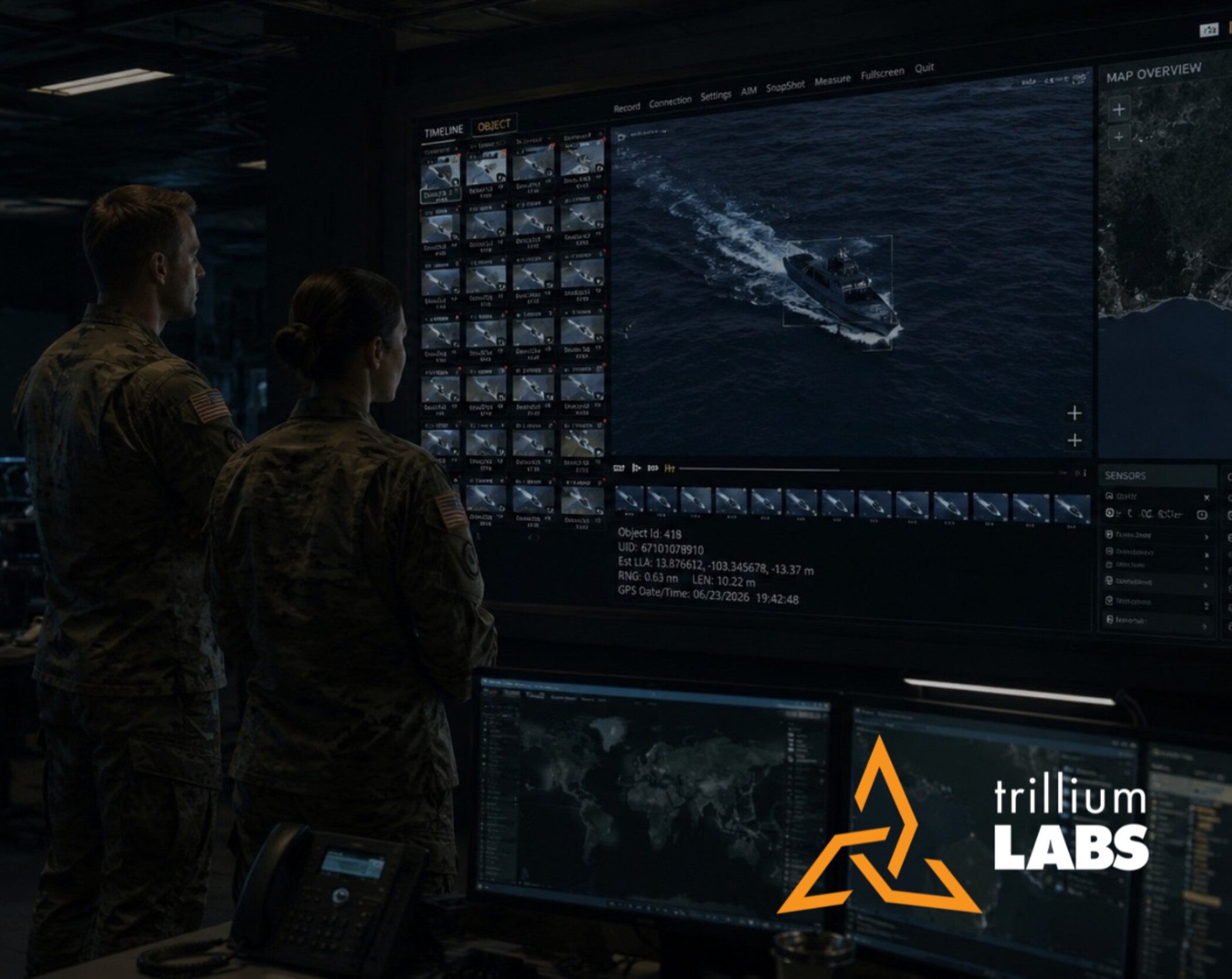
We retained the familiar HD59 hardware and software architecture to reduce integration effort, and with compatibility with our Intelligence Stack providing access to advanced software features.
Built around your requirements and engineered for the field, the new HD59 configurations bring mission capability and practical integration within your program’s reach.
Bailment units will be available for integration in December 2026, with production units scheduled to begin shipping in Q1 2027.
Contact us to discuss the HD59-MVV-C and HD59-MLVV-C for your program.