
U.S. Marines Put Long-Range UAS to the Test with Trillium’s HD40-LVV
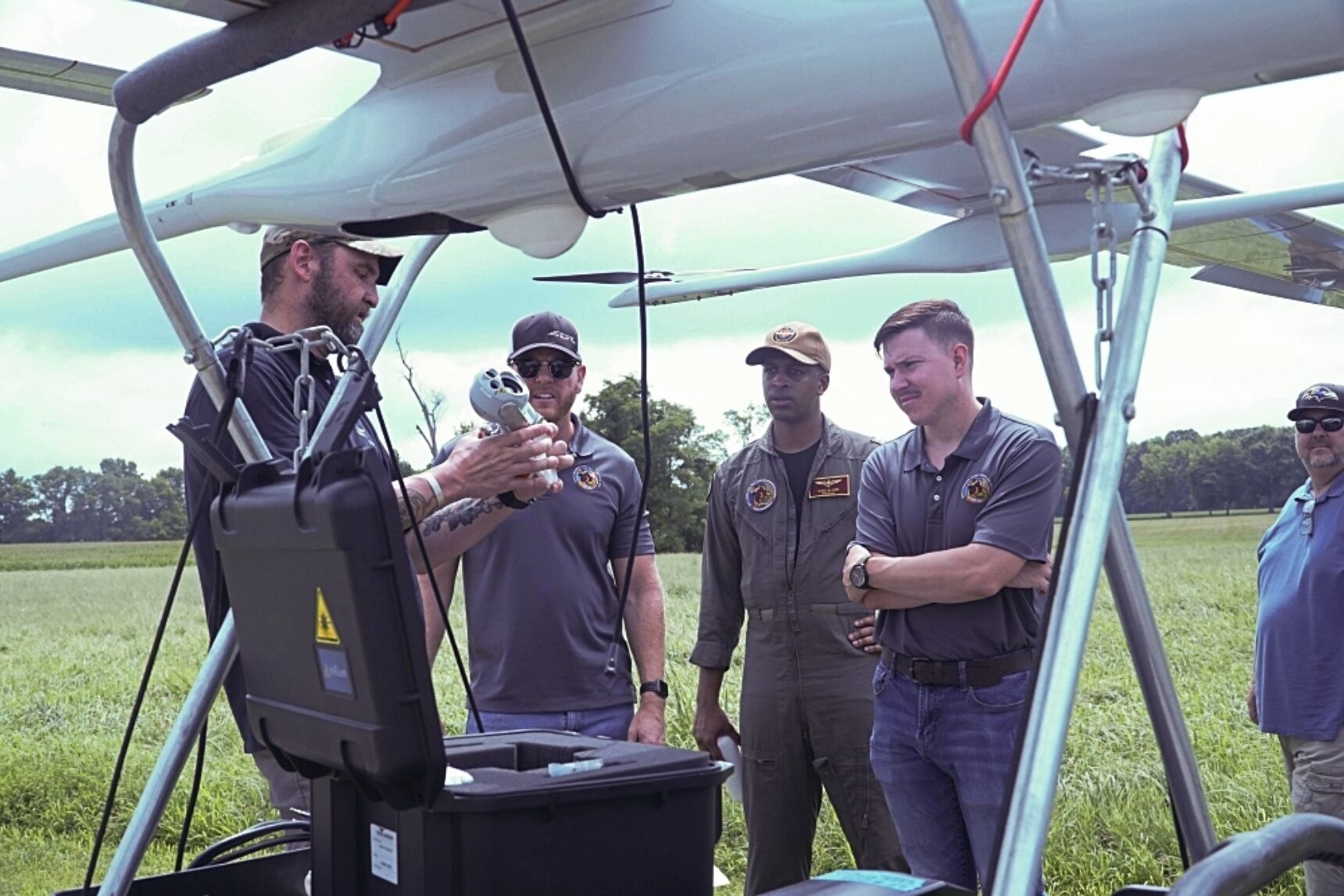
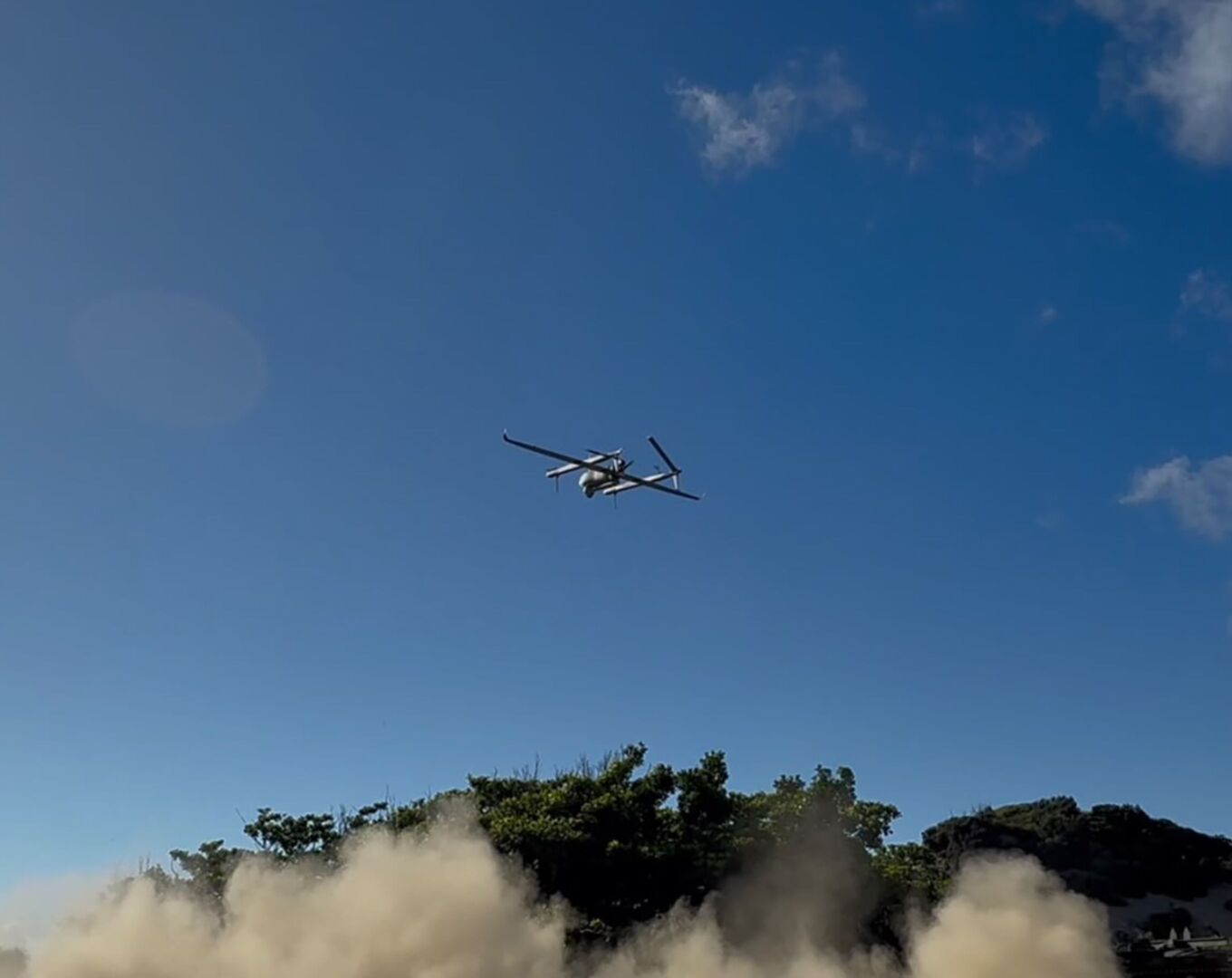
The U.S. Marine Corps recently conducted a series of evaluations to explore the next generation of long-range uncrewed aerial systems (UAS) for future operations. These trials focused on critical performance factors such as endurance, range, noise signature, and ease of deployment—capabilities that will be essential in meeting the demands of tomorrow’s battlefields.
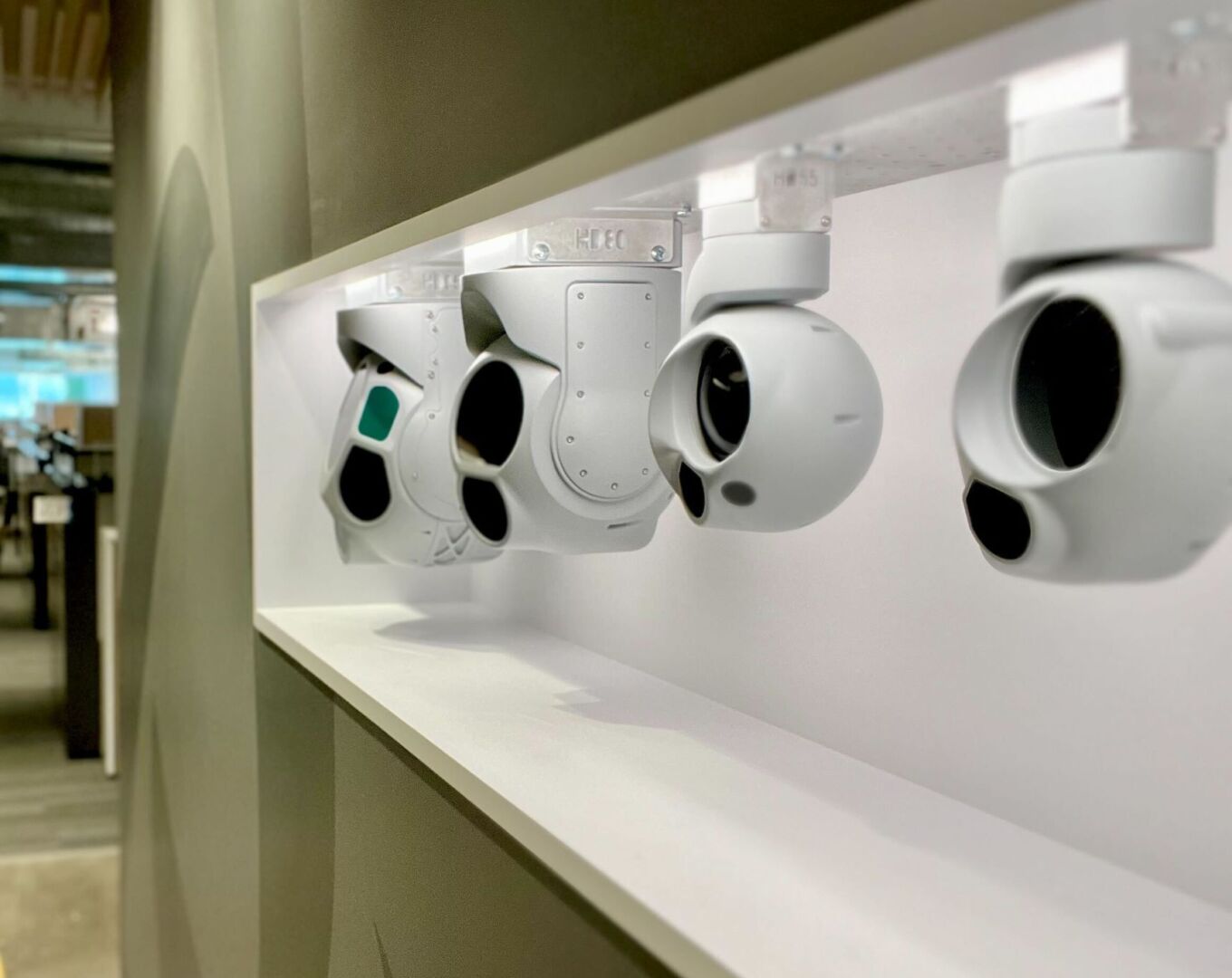
At the heart of these tests was Trillium Engineering’s HD40-LVV, a compact, high-performance electro-optical/infrared (EO/IR) imaging system built for long- and medium-range reconnaissance missions.
Extending the Reach of ISR
The Marine Corps’ test flights underscore a growing operational priority: platforms must see farther, stay aloft longer, and deliver actionable intelligence in real time. For these missions, the payload is as important as the aircraft itself—high-quality imaging can be the difference between mission success and missed opportunity.
The HD40-LVV meets this challenge with an ultra-lightweight, low-SWaP-C design that allows Group 2 UAS to maximize endurance while still carrying a fully capable intelligence, surveillance, and reconnaissance (ISR) sensor. Its powerful optics, advanced onboard video processing, and continuous 360° rotation give operators the tools they need to detect, identify, and track targets over extended ranges.
Features That Matter in the Field
- Optimized for Range – Narrow field-of-view EO and LWIR sensors provide detailed imaging for target recognition at distance.
- Enhanced Geolocation – Real-time coordinates with meter-level accuracy improve decision-making and targeting.
- AI-Enabled Tracking – Advanced onboard processing automates target tracking and reduces operator workload.
- Integration-Ready – Open architecture allows easy integration into various platforms and mission systems.
Built for Emerging Mission Sets
As the Marine Corps and other defense forces look toward distributed operations, expeditionary basing, and contested logistics, the ability to deploy long-range UAS with minimal footprint is critical. The HD40-LVV’s combination of high-performance optics, advanced processing, and minimal weight ensures that platforms can meet these evolving requirements without compromise.